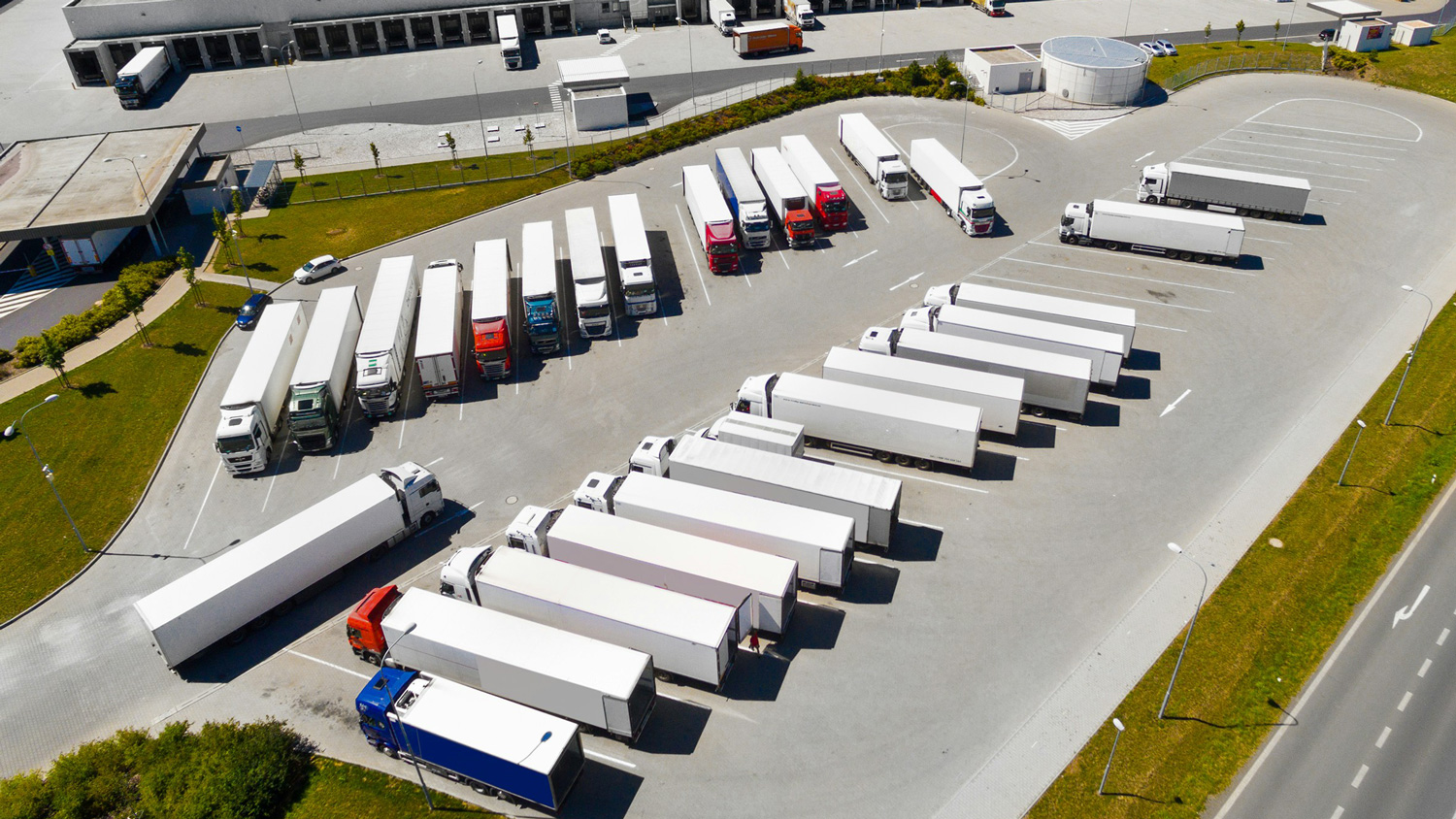
Key statistics on AI adoption in transportation
AI is making a big difference in transportation. By 2030, AI could save the transportation industry $60 billion annually. (Precedence Research). This considerable saving shows that AI will become very important for transportation companies. This means that they can offer cheaper services or invest in new technologies. Who will benefit? Companies will save money, which could mean cheaper tickets or delivery costs for us. Also, governments might spend less on maintaining roads and public transport.
AI can reduce fuel use in logistics by up to 20% (We Forum). AI plans more intelligent routes for trucks and vans. It looks at traffic, weather, and even how drivers usually drive. This means vehicles take shorter trips and avoid traffic jams. What's an example of this? Big companies like Amazon and UPS are using AI to plan deliveries. Their trucks now drive fewer miles to deliver the same number of packages.
AI-powered systems can lower maintenance costs in aviation by 20%. (Qoco Aero). AI can predict when a plane part might break before it does. This means airlines can fix small problems before they become big, expensive ones. It’s essential for airlines because planes are very expensive to fix, especially if they break unexpectedly. By preventing surprises, airlines can keep their planes flying more and spend less on repairs.
12% is the potential savings for public transit systems. (Fortune). It can predict how many people will travel at different times and adjust the number of buses or trains to match.
These numbers show that AI is not just a new idea but something already saving money and improving transportation.
How AI works as the Next Layer of Intelligence in Transportation
AI is revolutionizing transportation by turning static, schedule-based systems into dynamic, intelligent ecosystems. With the support of Microsoft Azure AI services, transportation operators can now predict, adapt, and optimize operations in real time from fleet management to customer service. Let’s explore how each AI technology works in practice, and how Azure enables it at scale.
Machine Learning: Predicting Demand and Preventing Disruptions
Azure Machine Learning enables transport agencies to build, train, and deploy predictive models using both historical and real-time data. By combining Azure Machine Learning for demand forecasting and predictive maintenance with Azure Synapse Analytics to unify data from ticketing, GPS, and weather systems, agencies gain a powerful foundation for data-driven decision-making.
These integrated capabilities allow operators to predict peak ridership, dynamically adjust schedules, and forecast mechanical failures before they happen, reducing downtime, extending vehicle lifespan, and ensuring smoother, more reliable service for passengers.
Computer Vision: Seeing the Road Ahead
Azure’s Computer Vision APIs process video and image data from traffic cameras and vehicle sensors to automatically detect objects, violations, and potential hazards on the road. By leveraging Azure Cognitive Services – Computer Vision for object detection, lane tracking, and incident recognition, together with Azure Video Indexer for analyzing and tagging video footage, transport authorities gain real-time visibility into traffic conditions.
These capabilities enable systems to detect congestion or accidents instantly and support autonomous vehicle navigation and safety operations, helping create safer and more responsive transportation networks.
Natural Language Processing: Understanding the Passenger Voice
Azure’s Natural Language Processing tools enable transport operators to understand and respond to customer needs more intelligently. Using Azure Cognitive Services – Text Analytics, agencies can analyze surveys and complaints to extract sentiments and key topics, while Azure Bot Services combined with Azure OpenAI helps build conversational chatbots that handle real-time inquiries and support requests.
Meanwhile, Azure Speech Services brings voice recognition and command processing into play, allowing passengers to receive instant travel updates or report issues through natural voice interactions. Together, these capabilities transform customer engagement into a more seamless, responsive, and human-like experience.
Reinforcement Learning: Learning to Optimize in Real Time
Azure enables reinforcement learning through advanced machine learning pipelines and simulation environments that continuously improve decision-making. With Azure Machine Learning and Azure Batch, transport agencies can run large-scale simulations to train AI agents for route optimization and traffic signal control.
Azure Digital Twins further enhances this by creating virtual replicas of real-world environments allowing AI models to test, learn, and adapt without disrupting live operations. As a result, systems can dynamically optimize traffic light timing to reduce congestion and refine route planning in real time based on ongoing feedback from vehicles and sensors.
IoT + Edge Computing: Real-Time Decisions at the Source
Azure seamlessly integrates connected vehicles and infrastructure through Azure IoT Hub, which ingests real-time data from sensors and onboard systems. To ensure fast, low-latency decision-making, Azure Stack Edge processes critical insights directly at the edge, reducing dependency on cloud connectivity.
Meanwhile, Azure Time Series Insights provides powerful tools to visualize and analyze time-stamped data streams across fleets and networks. Together, these services enable transport agencies to detect and respond to mechanical issues instantly and adapt digital signage or traffic signals in real time based on live road and vehicle conditions, ensuring safer and more efficient mobility operations.
Digital Twins & Simulation: Testing Before Implementing
Azure Digital Twins enables transport operators to build virtual replicas of their transportation systems, allowing them to simulate, test, and optimize operations before implementing changes in the real world. Integrated with Azure Maps, these digital models provide advanced geospatial analytics for route planning, traffic flow optimization, and infrastructure impact assessment.
This combination empowers agencies to simulate the effects of new bus routes or policy changes, and continuously monitor system performance to detect inefficiencies in real time, helping cities move from reactive management to proactive, data-driven mobility planning.
A Real Case from a Leading Swedish Transport Authority: How Precio Fishbone Helped Build an Azure-Based BI Platform — Laying the Groundwork for AI-Enabled Transportation
Hallandstrafiken, the public transport authority of Halland County, Sweden, manages over 50,000 daily trips across buses and trains.
Like many modern transit operators, they faced challenges with fragmented data, limited visibility into real-time operations, and slow manual reporting. To deliver on their vision of offering world-class, climate-conscious public transportation, they needed more than traditional BI, they needed intelligent insights delivered in real time.
This case study explores how Hallandstrafiken, in collaboration with Precio Fishbone and Bee Analytics, built a cloud-based analytics platform on Microsoft Azure that not only streamlined operations, but also empowered faster decisions, improved punctuality, and enhanced public service.
The Challenges
Time-Consuming Reporting
Traffic developers and controllers had to manually extract raw data from various systems, compile it in Excel, and cross-reference different sources. A single report could take days to produce, delaying decision-making and limiting responsiveness to operational issues.
Lack of Real-Time Visibility
With no live dashboards, operations teams lacked a unified, up-to-date view of current performance. Issues such as route delays, early departures, or canceled trips were often reacted to after the fact, rather than proactively managed.
Poor Collaboration with Transport Operators
Each line was operated by different third-party companies (bus and train providers). When problems occurred such as punctuality issues or customer complaints, Hallandstrafiken had limited evidence-based insight to work with partners constructively. Conversations were based on assumptions, not facts.
Limited Ability to Optimize Timetables
Without accurate, granular data, timetables were often based on estimates. Overestimated driving times led to early arrivals and inefficiencies, while underestimated durations caused chronic delays both of which negatively impacted customer satisfaction and operations cost.
Customer Service Bottlenecks
When a traveler complained that “the bus is always late,” staff had to manually gather all trip logs and performance data to confirm or refute the issue, a task that took up to a full working day per case.
The Solution: A Scalable, AI-Ready BI Platform on Microsoft Azure
To overcome its data management limitations and achieve real-time operational insights, Hallandstrafiken partnered with Bee Analytics and Precio Fishbone to implement a powerful analytics solution built on the Microsoft Azure cloud.
At the heart of the implementation is the Public Transport Authority Application a purpose-built Business Intelligence platform tailored for public transportation providers. The platform enables Hallandstrafiken to monitor, analyze, and improve everything from punctuality to customer satisfaction in real time, across their entire network.
Key Technologies Implemented
Microsoft Azure Cloud Infrastructure
All systems were migrated from fragmented, shared remote servers to a unified Azure cloud environment. This ensured enterprise-grade security, scalability, and flexibility, allowing Hallandstrafiken to scale operations as ridership and data volume grow.
Azure SQL & Elastic Pools
Data from over 10 different sources including planned vs. actual traffic data is stored in Azure SQL Databases, optimized through Elastic Pools. This ensures resource efficiency by dynamically allocating compute power to databases as needed, improving performance and reducing costs.
Azure Data Factory
The solution integrates real-time data ingestion from over ten sources (including Trafiklab APIs), automatically fetching production and planning data every 5 minutes. Azure Data Factory orchestrates this flow with robust data pipelines, enabling seamless updates without manual intervention.
Power BI
Power BI dashboards provide transport teams with a clear, interactive view of how their services are performing day to day. Instead of static reports, planners and managers can explore punctuality trends, identify frequent delays or cancellations, and compare real-time operations against planned schedules. They can also review passenger feedback and sales data to better understand demand patterns. With the ability to drill down by route, date, or operator, decision-makers can easily spot where improvements are needed and take action based on data rather than assumptions.
Results: Tangible Impact Across Operations
The Azure-based BI platform built by Bee Analytics and Precio Fishbone has helped Hallandstrafiken gain faster, more accurate insights into daily operations. Reports that once took days to prepare are now available in minutes, providing up-to-date information on punctuality and performance.
Traffic teams can easily track delays, early arrivals, and bottlenecks, using data collected every five minutes from multiple sources. This visibility allows them to adjust timetables quickly and make better, fact-based decisions.
The platform has also improved collaboration with transport operators, as discussions now rely on shared data instead of assumptions. By optimizing routes and aligning schedules with real demand, Hallandstrafiken has reduced inefficiencies, saved time, and taken meaningful steps toward more sustainable public transport.
Precio Fishbone’s Capability to AI-Driven Transportation
The Hallandstrafiken project represents more than a data modernization initiative and is a foundation for AI-driven transformation across the transportation sector. By building scalable, cloud-native BI platforms on Microsoft Azure, Precio Fishbone enables transport authorities to move from descriptive analytics to predictive and prescriptive intelligence.
With deep experience across Azure Data, AI, and Integration Services, Precio Fishbone helps public and private transport operators unlock the next level of operational intelligence through:
- Predictive Analytics – Anticipating demand, delays, and maintenance needs before they occur using Azure Machine Learning and Synapse Analytics.
- Real-Time Insights at Scale – Connecting fleets, routes, and infrastructure through Azure IoT Hub and Power BI for continuous monitoring and optimization.
- AI-Augmented Decision-Making – Leveraging Azure Cognitive Services and Copilot Studio to automate reporting, enhance service planning, and improve communication between operators and passengers.
The company’s consultants specialize in helping organizations evolve their existing BI environments into AI-ready ecosystems, aligning technical capabilities with business goals such as cost reduction, sustainability, and improved passenger experience.
Precio Fishbone is positioned to bridge the gap between data and action, helping agencies make smarter, faster, and greener decisions powered by Microsoft Azure AI.
Ready to Take the Next Step?
Whether you’re a public transport authority, logistics provider, or fleet operator, the path to AI-enabled efficiency begins with a solid data foundation. Precio Fishbone’s consultants can help you assess your current environment, identify quick wins, and design an Azure-based roadmap toward intelligent transportation.
Talk to our expert at par.johansson@preciofishbone.se to explore how AI and analytics can transform your operations from predictive maintenance to real-time route optimization.
Does AI help reduce operating costs for transportation businesses?
Yes, AI helps transportation companies cut operating costs by automating routine processes and reducing inefficiencies. Automated systems speed up response times, handle repetitive tasks, and allow human staff to focus on higher-value activities that improve overall performance and service quality.
Can AI enhance transportation customer satisfaction and loyalty?
AI can greatly boost customer satisfaction and loyalty in the transportation sector by improving responsiveness and personalization. Automated systems and self-service tools help resolve issues faster, while AI agents deliver tailored recommendations based on each traveler’s needs. By analyzing customer data, companies can uncover insights that drive smarter, experience-focused decisions.
How can companies integrate AI into their transportation systems?
Businesses can adopt AI in transportation by:
- Partnering with AI solution providers like Precio Fishbone for custom AI solutions.
- Using AI-powered tools for traffic management, fleet optimization, and smart logistics.
- Investing in AI-driven automation to improve safety and efficiency.
Share this on

Jerry Johansson
Works in IT and digital services, turning complex ideas into clear, engaging messages — and giving simple ideas the impact they deserve. With a background in journalism, Jerry connects technology and people through strategic communication, data-driven marketing, and well-crafted content. Driven by curiosity, clarity, and a strong cup of coffee.